
Strengthening the grid, reducing risks
Weather is one of the biggest concerns for electric utilities, and in recent years, the changing climate has made extreme weather events increasingly common.
Conditions on the ground are changing, and so are our plans and responses. We've made significant investments across our six-state system in wildfire prevention strategies and we will continue investing in system strengthening in the coming years. With advanced capabilities in round-the-clock weather monitoring and vegetation management, we’re advancing safety today and building resilience and reliability for years to come.
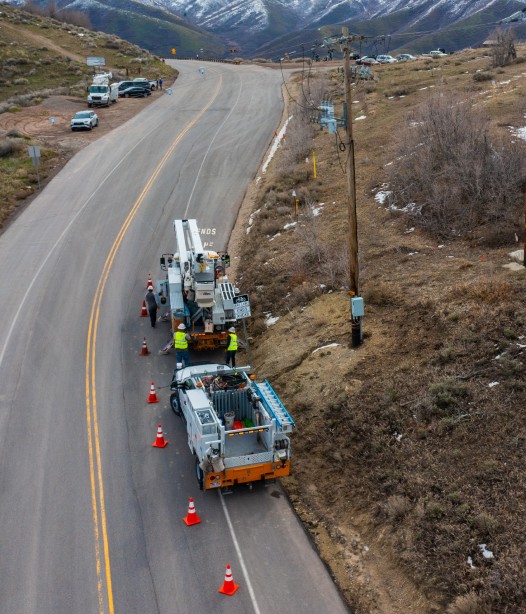
How we're increasing safety and resilience
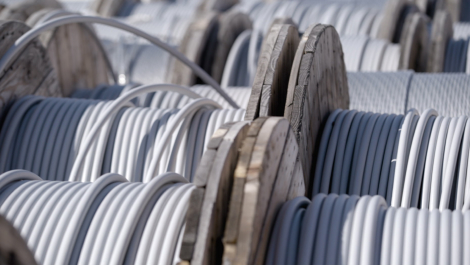
Strengthening our system
Fire-resistant poles, covered lines and undergrounding where appropriate are just part of the story. We’re also installing advanced technology that enables real-time monitoring, remote management and more.
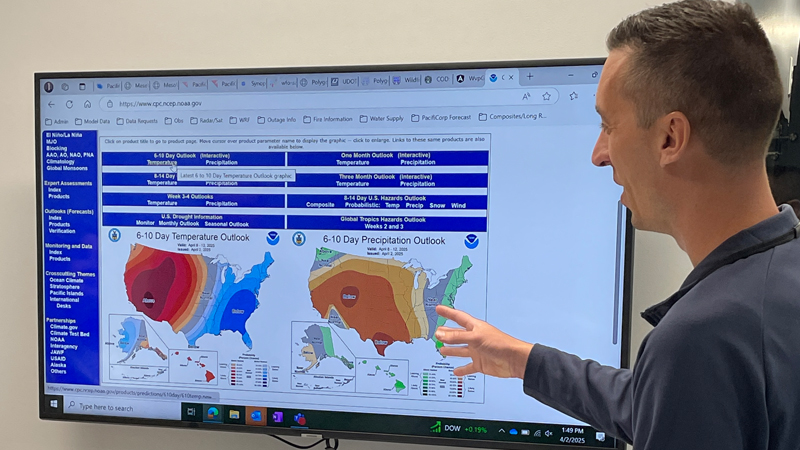
Situational awareness
Our Wildfire Intelligence Center, meteorologists and public safety partners help us anticipate, monitor and respond to wildfires and extreme weather quickly and effectively.
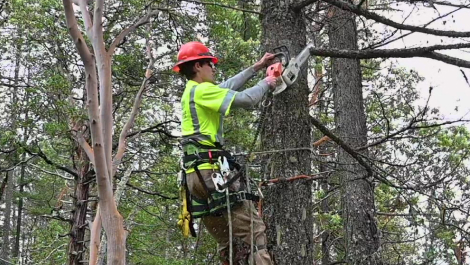
Equipment inspections & vegetation management
We regularly inspect equipment and manage vegetation around power lines, poles and substations to reduce the chance of sparks or interference.
Ways we're strengthening our system
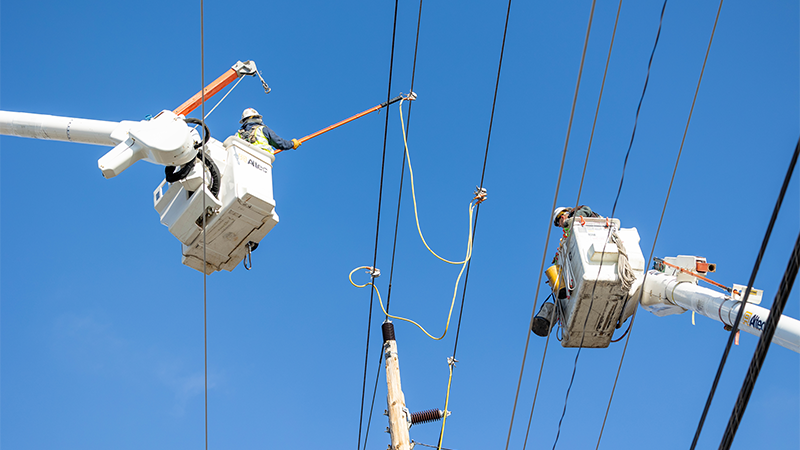
Line rebuild
We're replacing aging overhead power lines in fire high consequence areas (FHCA) with fire-resistant infrastructure, such as covered conductors or underground systems, to enhance reliability and significantly reduce the risk of equipment-related wildfires.
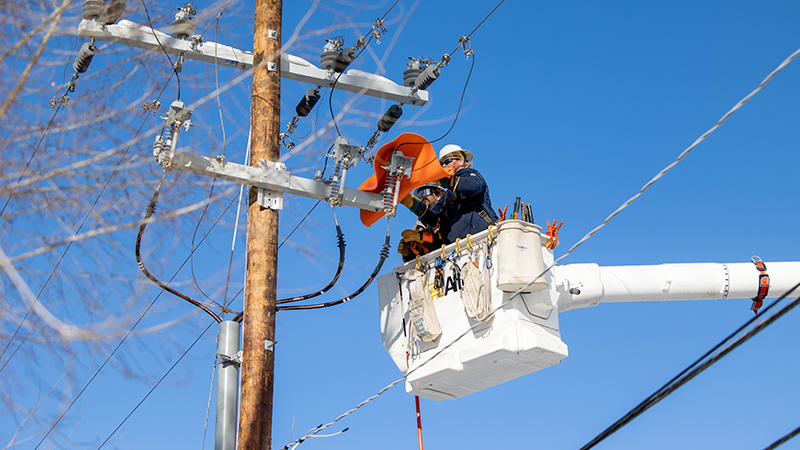
Expulsion fuse installation
We're replacing traditional fuses with non-expulsion fuses that eliminate sparks during operation, significantly lowering the fire risk from electrical equipment.
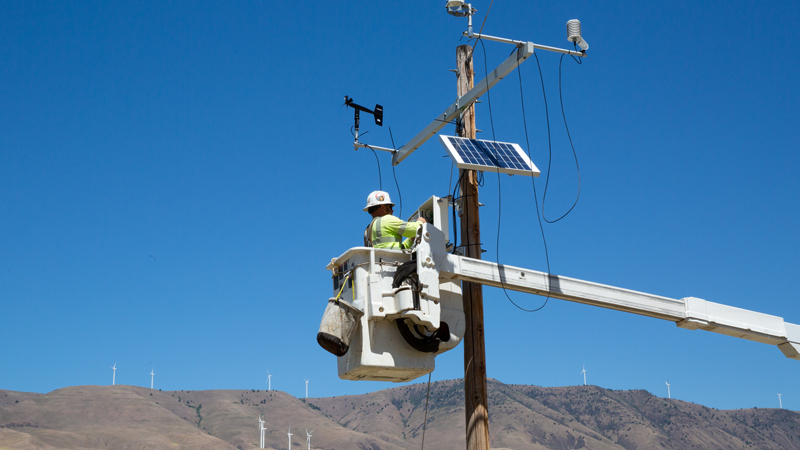
Weather station installation
We've installed 600 weather stations to monitor real-time conditions like temperature, humidity, and wind, enabling proactive adjustments to wildfire prevention measures.
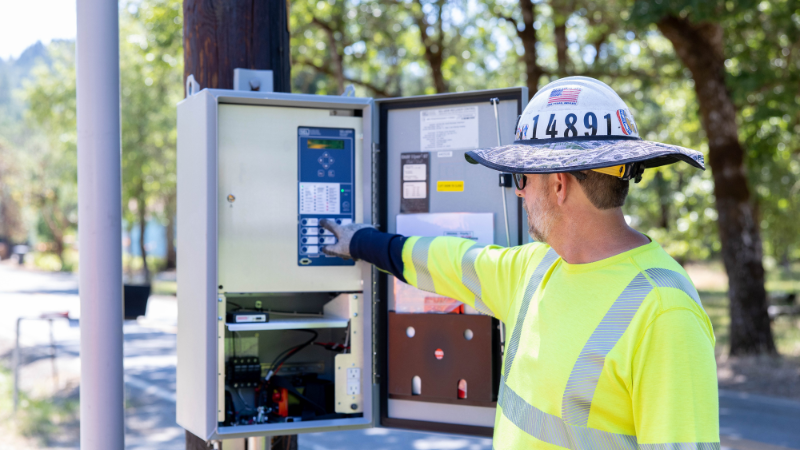
Relays, breakers and field reclosers
We're upgrading our protective devices like relays and reclosers to ensure faster and safer detection of faults, minimizing the chances of sparks that could ignite wildfires.
Visit Pacific Power

Visit Rocky Mountain Power
